

White roses and memory — when a flower becomes a feminist act
White roses and memory — when a flower becomes a feminist act From December 6, 1989, to today: how the white rose became the symbol of collective mourning and ongoing commitment
Published on March 3, 2026 · Read: ~4 min
Some dates are unforgettable. On December 6, 1989, a man entered the École Polytechnique de Montréal with a weapon and killed 14 women because they were studying engineering. An anti-feminist act. A femicide. A collective wound that, in Quebec, has never quite healed.
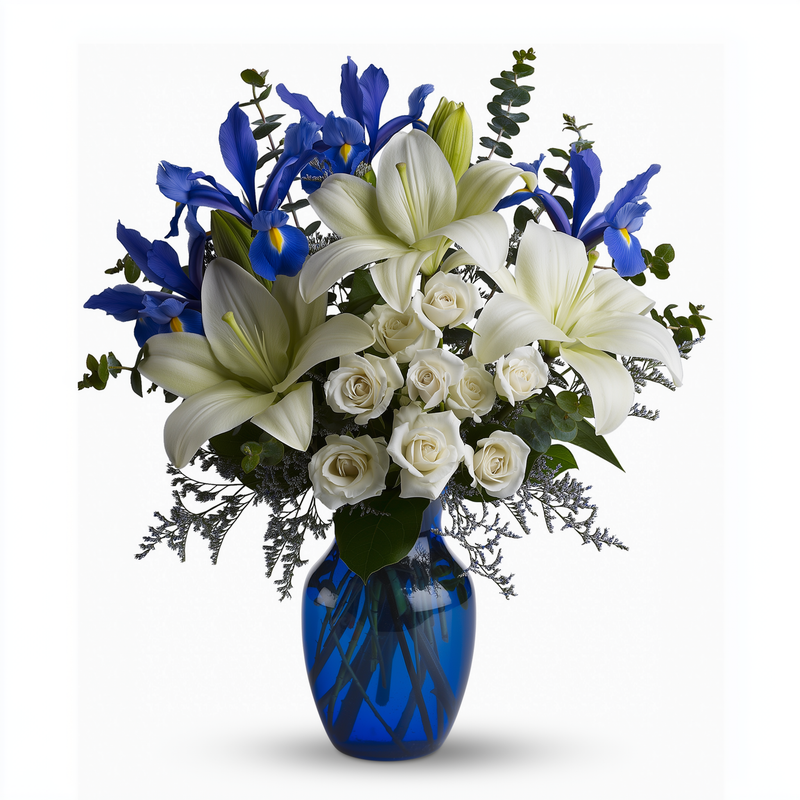
Over time, the white rose became the central symbol of the Polytechnique commemorations. Not the red rose of romantic love — the white one, symbolizing mourning, lost purity, and an enduring commitment: to open up science and engineering to women. Forever, not just in words.
White Rose Week: remembering through action
Every year, Polytechnique Montréal organizes its White Rose Week, where people are invited to purchase virtual white roses. The funds raised support the science camps and workshops of Folie Technique, aimed at girls from underrepresented communities. Commemorations are good, but here, we're talking about money that transforms into concrete access for young girls who also want to pursue science.
The organizers are clear: the white rose connects remembrance with the promotion of women in STEM (science, technology, engineering, and mathematics). The memorial flower becomes an investment in future generations — in future engineers who deserve to take their place in fields long reserved for men.
Wreaths of white roses are laid each year on the commemorative plaque for the victims. Exhibitions highlight the lives of the 14 women, keeping their stories alive in the public sphere. Not just names carved in marble — people, journeys, interrupted dreams.
"Never again." This is the heart of the ritual. The flowers become a collective language that holds the grief, names the violence for what it is — gender-based violence — and reiterates a feminist demand that does not age.
The 14 women we will not forget
Geneviève Bergeron. Hélène Colgan. Nathalie Croteau. Barbara Daigneault. Anne-Marie Edward. Maud Haviernick. Maryse Laganière. Maryse Leclair. Anne-Marie Lemay. Sonia Pelletier. Michèle Richard. Annie St-Arneault. Annie Turcotte. Barbara Klucznik-Widajewicz.
Their names deserve to be read, not just counted.
Reclaiming the flower: feminist art with a bite
There's something ironic about the history of flowers in art. For centuries, women artists were confined to "safe subjects" — still lifes, bouquets, gardens. Subjects deemed harmless, ambitionless, without political scope. Well, feminists decided to turn this symbol against those who minimized it.
Today, in contemporary feminist art — in Quebec and elsewhere — flowers are reclaimed as symbols of strength, resistance, and complex female identities. Petals, thorns, the life cycle of a plant: all become metaphor. Survival through adversity. Solidarity. Transformation.
Many works place flowers in direct tension with industrial materials, barbed wire, or text about gender. Softness confronted with structural violence. The fragile holding strong. In Quebec, artists draw on botany, the history of gardens, and domestic imagery to question gender roles, colonial histories, and environmental injustices.
It's a simple but effective strategy: take what was given to you to silence you, and turn it into a weapon.