
What should be written in a condolence card?
Overview: Simple phrases like “ I offer you my deepest condolences. Please know that I am here for you ” or “ I am thinking of you and your family during this difficult time ” are meaningful and appropriate. Avoid clichés and focus on genuine compassion. Sincerity is far more important than finding the perfect words.
Tips for writing a sincere message
-
Keep it brief: 3 to 5 sincere sentences are enough. Example: " I'm thinking of you. I'm here for you, don't hesitate. "
-
Personalize: Evoke a specific memory. Example: " I will always remember her infectious smile. "
-
Avoid clichés: Avoid phrases like " Perhaps it's for the best ." Instead, try " I share your sorrow " or " My heart goes out to you. "
-
Be careful: In Quebec, where a large portion of the population is non-religious (approximately 30% according to Statistics Canada), avoid religious references ("God," "heaven") unless you know the family's beliefs. Opt for neutral and humanist language.
-
Offer practical help: Offering assistance is greatly appreciated. Example: " I can do the grocery shopping or babysit, please don't hesitate to ask. "
Examples of messages for a sympathy card
For a close friend:
" I am deeply saddened to hear this news. Please know that I am here to listen, to talk, or simply to be there for you. You are in my thoughts. "
For a work colleague:
" On behalf of the entire team, I extend our deepest sympathies. Our thoughts are with you and your family. "
For the family:
" Please accept our deepest condolences. We share your grief and are with you during this difficult time. "
Regarding the loss of a pet:
" I know how much [Pet's Name] meant to you. He gave you unconditional love. I share your sorrow. "
Short and universal messages:
-
" My deepest condolences. "
-
" I share your pain. "
-
" With all our affection. "
Cultural sensitivity in Quebec
Quebec is a distinct society, historically marked by Catholicism but today very secularized and multicultural.
-
Traditional Quebec Families: Even though religious practice has declined (only 14% of Quebecers regularly attend religious services according to some surveys), Catholic traditions can still influence funeral rites for some families. A simple and respectful message is always appropriate.
-
New cultural communities: For Muslim, Jewish, or other religious families, customs may vary. For example, among Muslims, it is customary to offer condolences promptly and avoid ostentatious flowers. The safest approach is a simple and respectful message such as, " In these difficult times, please accept our deepest condolences. "
The best rule: If you are unfamiliar with the family's customs, a simple, respectful, and sincere message is universally appreciated.
Associate the message with flowers
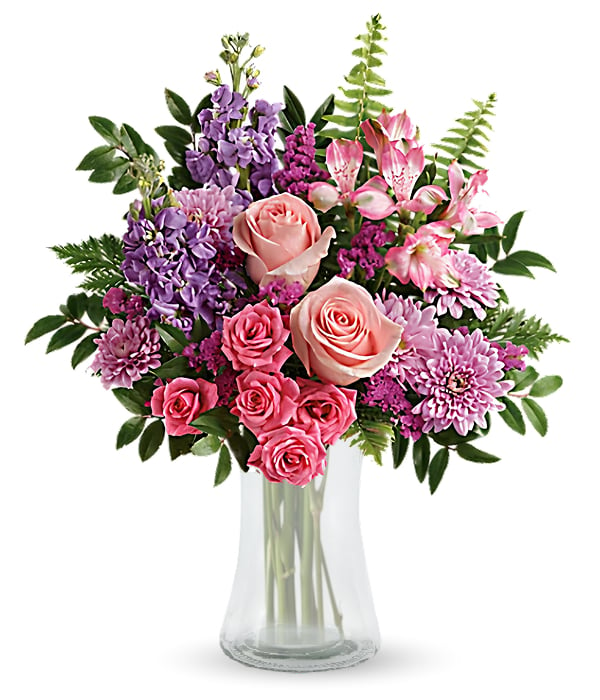
In Quebec, it is common to offer flowers to express support.
-
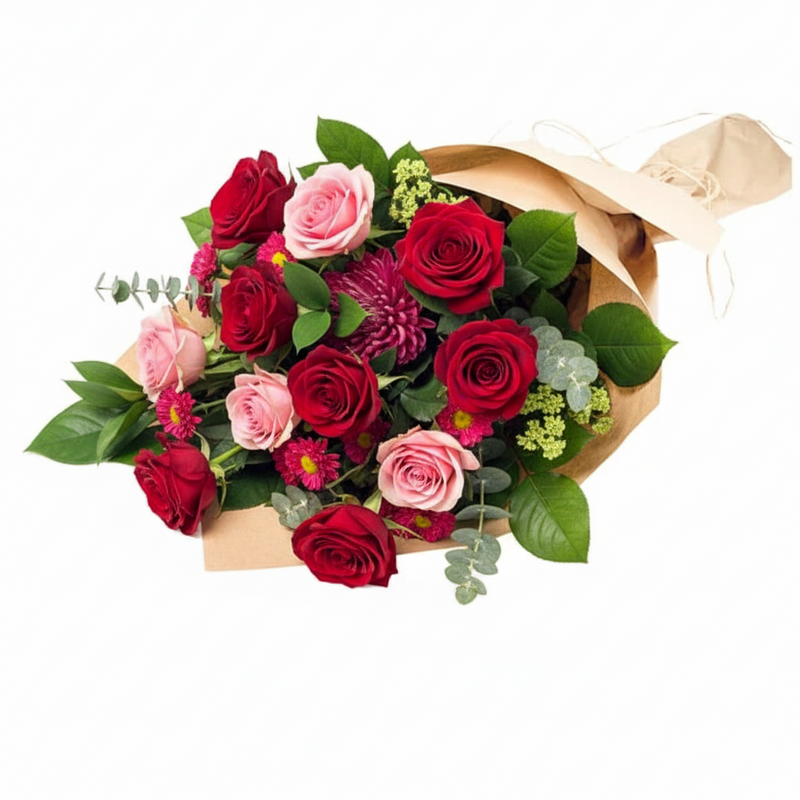
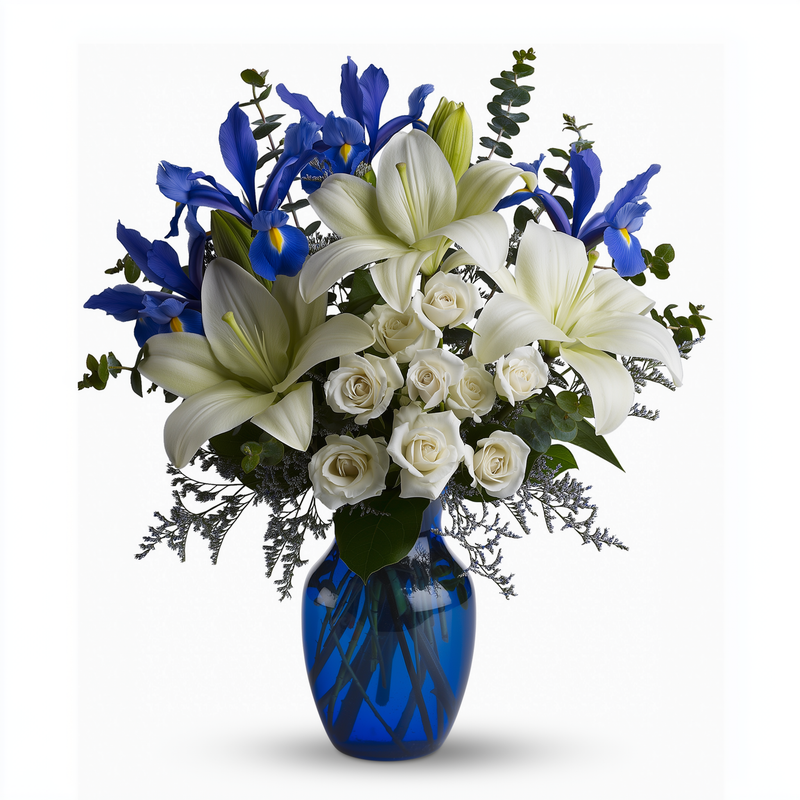
White lilies and light roses: Symbolize peace and purity. These are very common and appropriate choices.
-
Chrysanthemums: They are strongly associated with All Saints' Day and cemeteries . They are therefore perfect for decorating a grave but may be perceived as too solemn for home delivery in the context of recent bereavement.
-
Carnations and gladioli: Classic and respectful flowers for a floral arrangement.
TL;DR:
Keep your message of condolence simple, sincere, and brief. Avoid clichés and religious references if you are unsure of the family's beliefs. Pair your words with a simple and elegant bouquet for a profound and respectful expression of support.